

Sometimes, when you find yourself somewhere particularly special, it only takes a couple of seconds to realise it. Some spaces, and the characters they contain, just seem to operate at a level that suggests complete synchrony and resounding, high-level action. Despite being a relatively recent creation of the arguably genius mind of one Hugo Tagholm, his establishment seems as synonymous with the landscape as the cliff upon which it is based. The expert employees seem to match the office’s image of seamless belonging to the land and waterscape that they seek to protect.
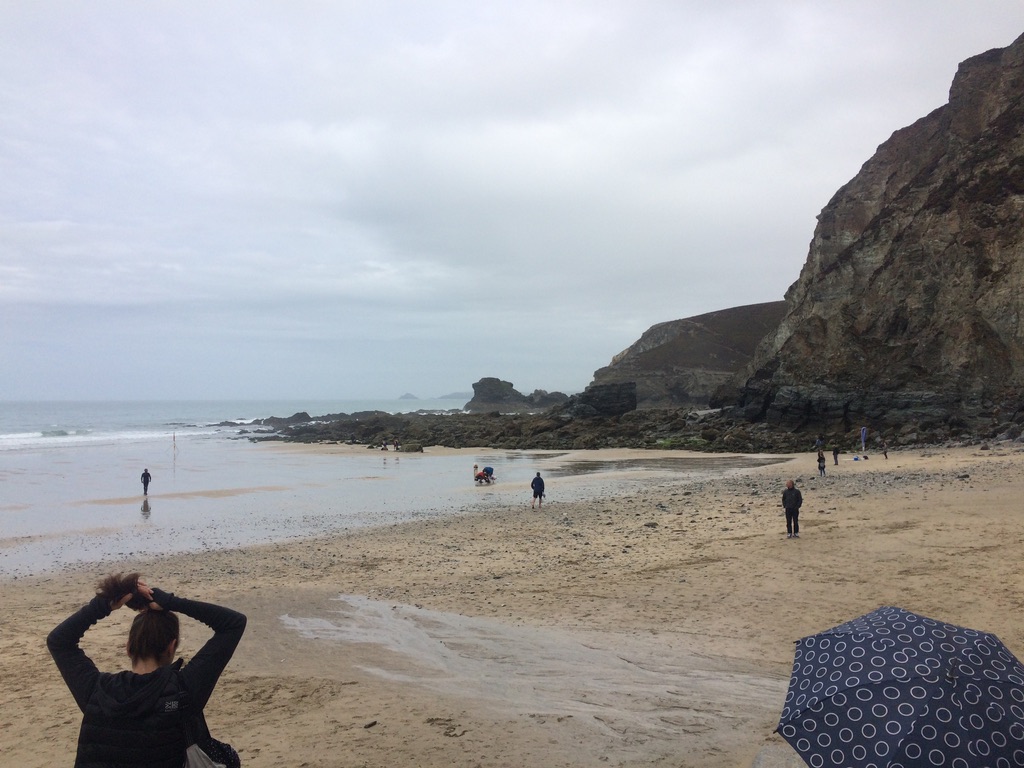
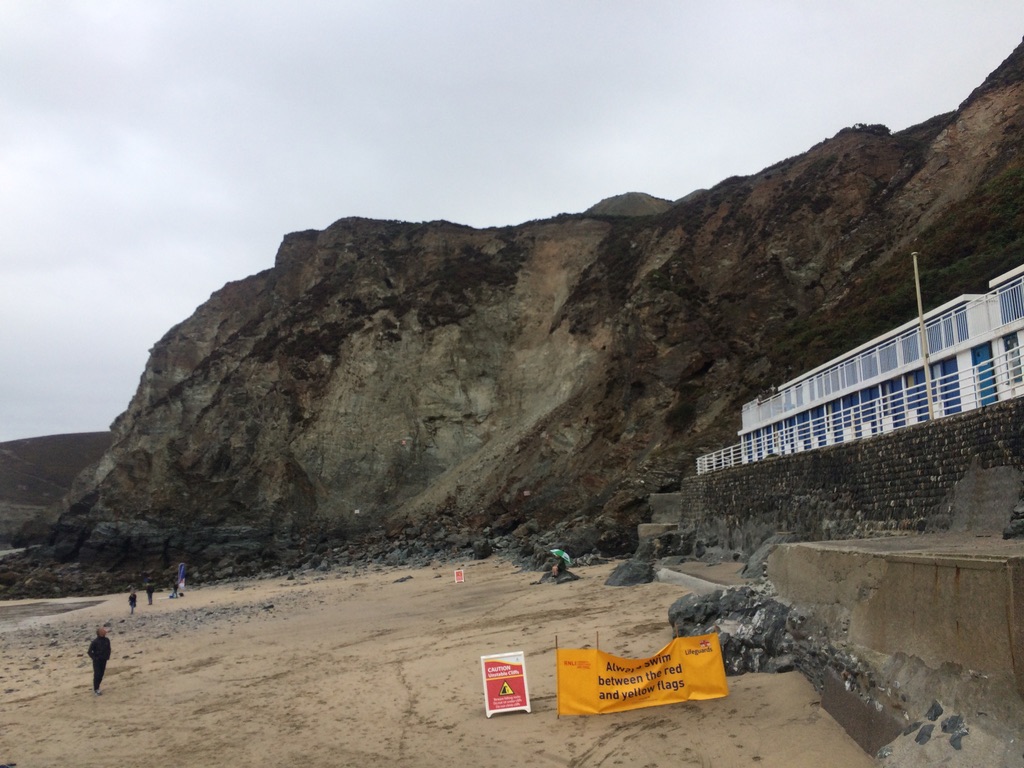
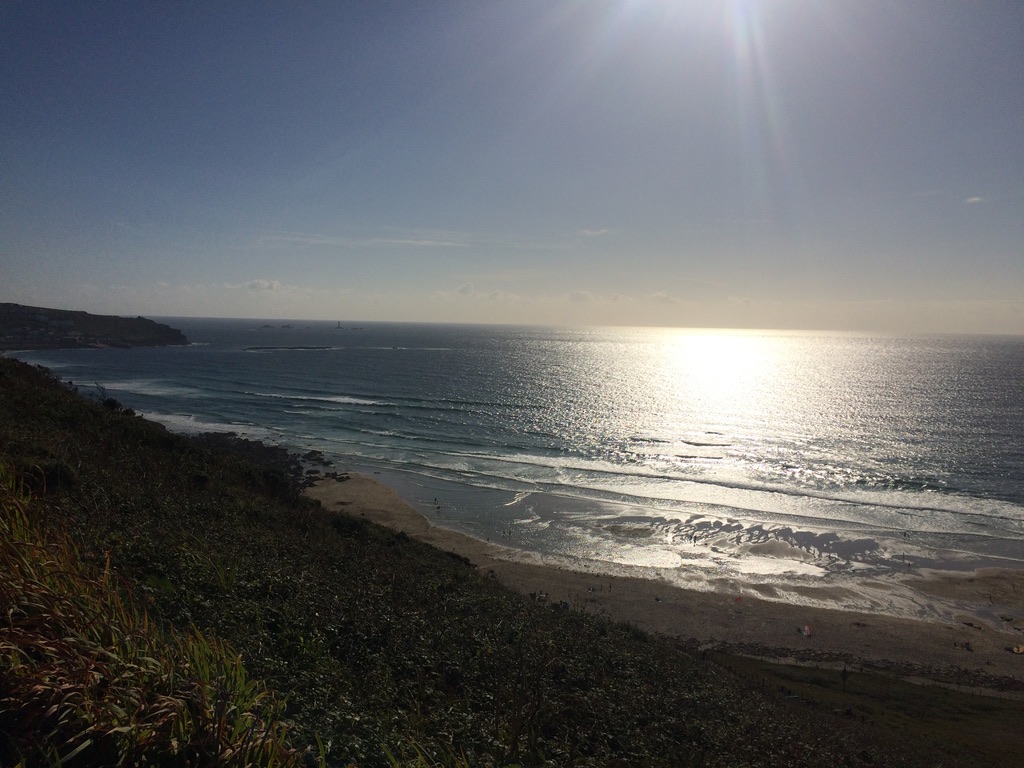
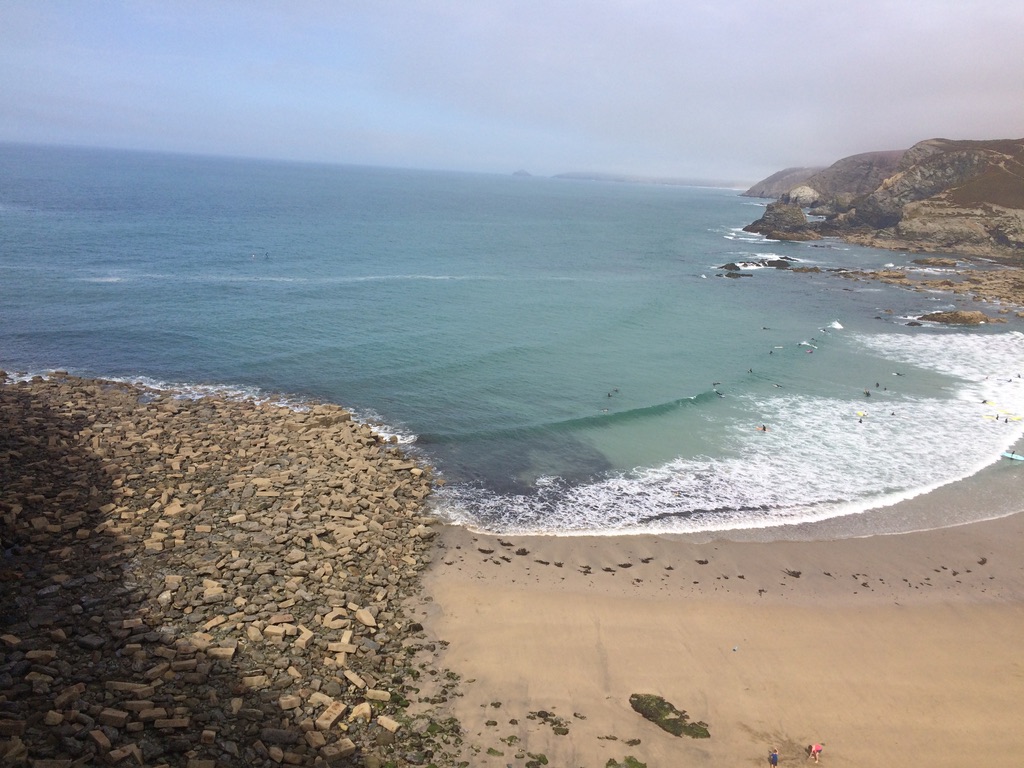
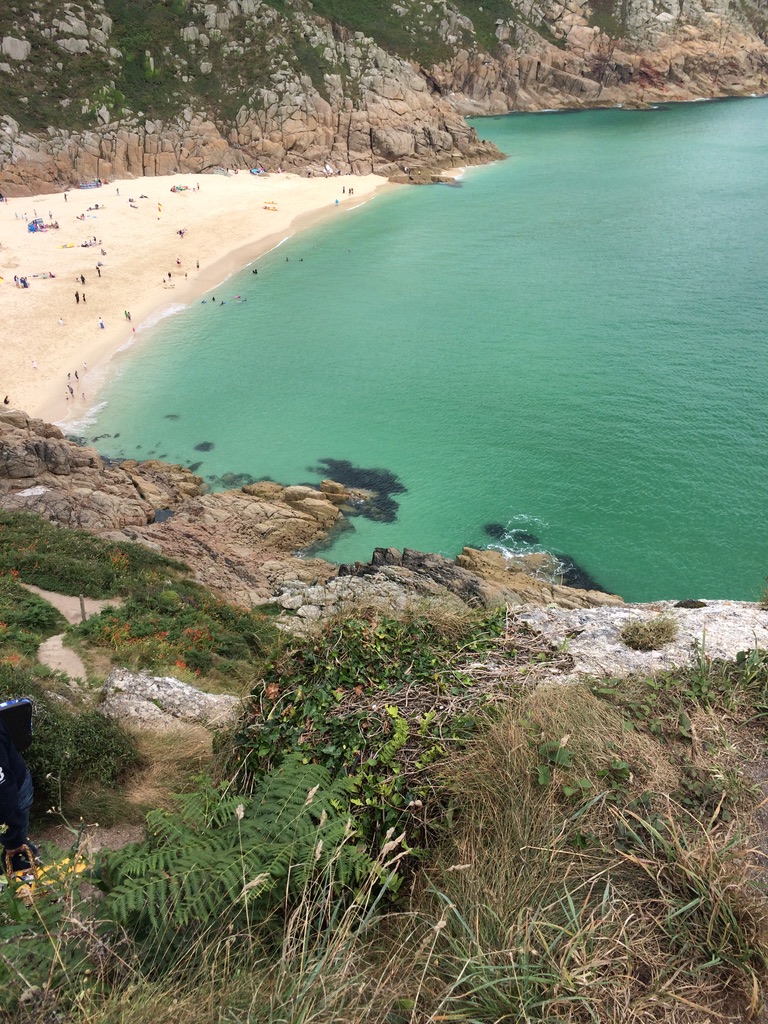
As you might expect, the headquarters of Surfers Against Sewage (SAS) overlooks the sapphire-blue Cornish waters lapping rhythmically on the golden sands of St. Agnes beach. One would be hard pressed to find a more textbook spot for the place. Nestled in the rock but exposed to the elements. This commentator supposes it to be suitably analogous for the nature of the work that is done here; to expose the issues so deeply nestled in our waterways. Whichever way you look at it and wherever you may be looking from, be it up on the lofty perch of the SAS HQ or from the banks of your local wild swimming spot, the state of the UK’s waterways are problematic and can be dangerous. They may seem beautiful but, on closer inspection, it soon becomes apparent that their biochemical makeup can pose a threat to those who try to enjoy them.
We in the United Kingdom have always relied on waterways to facilitate our day to day lives. Up until the industrial revolution, they were particularly important for driving machinery used to produce flour and to power weaving machines. However, at the turn of the industrial revolution, the flow of water was no longer seen as an entity that would bring power to the mills. Instead, it became a means of carrying waste away. Out of sight, out of mind – what a fall from grace!
Water quality can be defined using a few parameters including its colour, concentration of suspended solids and nutrients, pH and microbial life. Now, while these parameters are affected by what enters the water, their concentrations are of course influenced by the volume of water into which they are deposited. Rainfall therefore plays an influential role in the apparent contents of a waterway and the level of threat they pose to organisms – people included! Not only is the quality of the water dependent on its volume, the standards to which its measurements are judged change with its intended purpose. Water intended for human consumption would therefore have more stringent standards than that not destined for our taps. Sewage discharge contains high concentrations of organic matter which, when degraded, exposes the aquatic environment in which it is found to an excess of nutrients. Excessive nutrient breakdown means an excessive amount of oxygen is used by microorganisms, leaving less available to other organisms, often leading to their demise.
One would think that the reason for the aforementioned knowledge of parameters, pH and purposes would be to inform highly trained and effective teams of water quality assessors. Guess again. For all this confused commentator gathers, they act as a translucent vale through which the real inadequacy can, with some very limited digging, be unearthed. As it happens, water quality assessments are, more often than not, carried out by a single individual using rather subjective visual means of judgment. In using this method of detection, it becomes difficult to record small-scale outbreaks in their early stages, when the damage caused by eutrophication is in its infancy. Unfortunately, these algal occurrences are left unnoticed and unchecked until they bloom into large masses, depleting oxygen and blocking sunlight to the point of ecological ruin.
Despite the data clearly displaying the dire situation unfolding in this county’s waterways, the image of its natural beauty still pertains, giving the impression of a landscape in good health. Because the effects of river pollution are not instantaneous and are unapparent to the cursorily cast eye, issues reach a point at which long-lasting damage is caused. One might well argue that comparisons could be drawn between the display of such remiss and the offending entity by which the shortcomings of those with the power to make a difference are revealed.
Essentially, Surfers Against Sewage act as ecological whistle blowers for river and coastal pollution. They also bang the drum for grassroots advocacy and activity, galvanising schools and communities around the country by equipping and encouraging them to clean beaches and waterways, protecting water-faring wildlife and people. Over 590 reports of sickness have been filed with Surfers Against Sewage. These come from areas linked with sewage discharge. The reading offered by their website hides no surprises as to why there have been so many cases of bathers experiencing health complications after having swum in UK waters. In England alone, of the 86% of waters failing to meet targets, 36% are due to sewage and wastewater discharges. While not every waterway is used by bathers, they all eventually lead, in some way or another, to a larger waterway which may be used. And if not this, eventually they will reach an outlet to the sea which may be used by bathers. Rather embarrassingly, news of this, much like the offending substances, have flowed far and wide, with the European Centre for Environment and Health reporting UK wild water swimmers to be three times more likely to have antibiotic-resistant E.coli present in their gut than non-swimmers.
The situation that we find ourselves in is a troubling one to say the least. The government has not done much at all to acknowledge the efforts of Surfers Against Sewage. The charity relies heavily on donations, with all revenue being reinvested into its activities, meaning those with financial stakes receive nothing in dividends – shareholders of Thames Water would do well with a notepad and pen here. They are unequivocally the ‘good guys’, however for the government to recognise this would be fundamentally paradoxical, as to acknowledge the charity’s work would mean admitting shortcomings in their own operations. One could feasibly argue that this moral conundrum would mean the government would, at least, leave Surfers Against Sewage to quietly go about their work of cleaning up the mess resulting from decades of malpractice. Wrong! – in fact, think the opposite. A line pushed by those in political power is that our rivers and oceans are now “better than at any time since the end of the Industrial Revolution”. Phew! Right? This little gem was likely cooked up at the turn of the millennium and has been the ‘go to’ for over 20 years now, with a former Chair and Chief Executive of the Environment Agency, as well our former Prime Minister, Theresa May, referring to it in their hours of need. Although the line is not a lie, it seems to fall short of the kind of leadership our politicians should aspire to deliver. The industrial revolution, although economically progressive, saw mass poverty, child labour and a generally inimical negligence towards environmental protection. Since the 1760s, improvements such as the introduction of water treatment plants have meant that, when using limited biological indicator data, river health is now better than it has been since the start of the industrial revolution. This change, much like the abolition of child labour, took over a century. After so much historic heel dragging, should our current government be flaunting such ‘achievements’ in order to slow progress today?
While it is positive that we now have the means to analyse samples with more accuracy and there is now a more widespread public demand for answers regarding ecological health, we have, in a sense, been playing catch up. Very little data exists to cover the time prior to the 1980s. Today, scientists are piecing together the patchwork of the effects of organic compounds on our river ecology. But these are now not the only pollutants flowing through our waterways. Novel chemicals originating in ‘washaway’ cosmetics are now running their course through this country, the ecological effects of which are yet to be fully understood. For ecological researchers to accurately gage the health of aquatic environments, it is absolutely essential that companies selling a product destined to be washed down the drain are completely transparent when it comes to the potentially adverse effects of their ingredients on the natural world. This, along with water companies sticking to the law when it comes to how much wastewater and raw sewage they allow to flow untreated into our river systems, is how organisations such as Surfers Against Sewage will be able to localise their efforts to maximise efficacy. In practice, this means fulfilling their duty to their followers by being able to provide the most accurate advice on when and where to swim and the likely effects of doing so.
To conclude, I suppose it would not be overly outrageous of you to expect a sort of…conclusion. I’m afraid the closest thing we’ll be getting is the news that, in recent weeks, the government has finally ruled that water bosses cannot receive bonuses if they have acted illegally (meaning they have green-lit the dumping of raw sewage into waterways excessively or during the wrong weather conditions). Hip-hip Hoorah! Shall we crack a bottle to celebrate?!
It seems a step has been taken to make the situation practically no better than it was before. What has been achieved is the reaching of a point at which we should always have been. For now, it seems we are stuck with decision makers who, apparently unlike our waterways, have not improved much since the industrial revolution.







Leave a Reply